
TN, United States, 30th Dec 2025 – BPC-157, a research peptide increasingly referenced in scientific and academic discussions, is the subject of a newly published research The Peptide Blogger, which examines the current state of evidence surrounding the compound. The review highlights sustained research interest in BPC-157 for its observed involvement in tissue protection, recovery-related mechanisms, and gastrointestinal integrity within preclinical models, while also scrutinizing the quality and limitations of the available data.

Originally identified in the early 1990s, BPC-157, short for Body Protection Compound 157, also known as Gastric Pentadecapeptide, is a synthetic peptide composed of 15 amino acids and derived from a protective protein sequence found in human gastric juice. According to the review, despite its frequent appearance in online discussions, BPC-157 is not approved for human medical use by the U.S. Food and Drug Administration or other major regulatory authorities. The analysis underscores that existing research remains largely confined to animal studies, laboratory experiments, and a small number of low-quality human observations, reinforcing the need for cautious interpretation.
A Research-First Perspective From The Peptide Blogger
According to The Peptide Blogger, the motivation behind the analysis is to address widespread confusion surrounding peptide research. The publication focuses on slowing down the conversation around compounds like BPC-157 by separating biological plausibility from proven clinical outcomes.
Rather than promoting anecdotal claims, the review evaluates peptides through published data, known cellular pathways, and study design quality. This approach reflects the site’s broader editorial mission to improve research literacy and provide context around where scientific evidence is strong, weak, or incomplete.
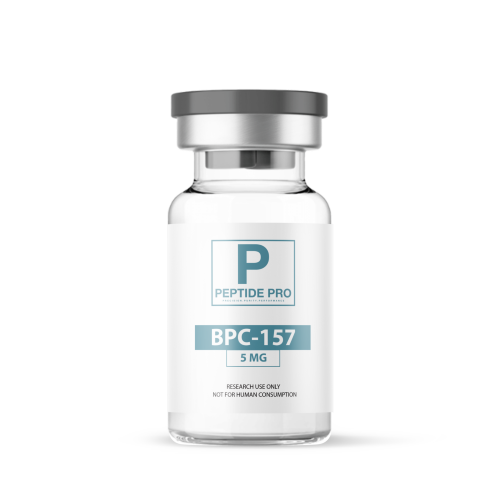
Scientific Overview and Observed Mechanisms
The review outlines several biological pathways through which BPC-157 has been studied in experimental models, including:
- Angiogenesis stimulation, associated with new blood vessel formation and tissue oxygenation
- Nitric oxide signaling modulation, linked to vascular function and circulation
- Gene expression regulation, related to cellular repair processes
- Growth hormone receptor interaction, explored for tissue recovery mechanisms
In laboratory and animal studies, these mechanisms have been associated with tendon, ligament, muscle, intestinal, and nerve tissue repair, along with cytoprotective and anti-inflammatory effects under stress or injury conditions. The report notes that these findings remain preclinical and should not be extrapolated to confirmed human outcomes.
Administration Forms Discussed in Research Contexts
Within research and academic discussions, BPC-157 has appeared in several experimental forms:
- Injectable formulations studied in animal models
- Oral administration examined for gastric stability
- Topical applications with minimal supporting evidence
The review stresses that none of these forms have standardized dosing guidelines or regulatory approval for therapeutic use.
Potential Benefits Suggested by Preclinical Studies
The analysis summarizes associations reported in non-human studies, including:
- Tendon, ligament, and muscle tissue repair
- Improved blood flow and vascular regeneration
- Reduced inflammation and oxidative stress
- Protection of the stomach lining and gut barrier
- Neuroprotective and cardioprotective signals in animal models
Researchers cited in the review caution that these observations have not been confirmed through rigorous, large-scale human clinical trials.
Human Evidence and Research Limitations
Human data remains extremely limited. The review references a small, uncontrolled knee-pain study that reported reduced discomfort following injections, noting the absence of control groups, standardized outcome measures, and independent oversight. The report also highlights the difficulty of separating treatment effects from natural healing processes in soft-tissue injuries.
Sports and regulatory organizations, including the World Anti-Doping Agency, continue to classify BPC-157 as prohibited for competitive athletes due to insufficient clinical transparency.
Safety Profile and Regulatory Context
Preclinical animal studies have generally shown low toxicity across various dosing schedules, with no significant organ damage observed. However, The Peptide Blogger emphasizes that limited human observations are insufficient to establish safety, long-term risk, or appropriate dosing.
The review also notes theoretical concerns related to angiogenesis in individuals with cancer or predisposition to malignancy, while clarifying that no direct causal evidence has been established.
Ongoing Scientific Interest and Responsible Interpretation
The report concludes that BPC-157 remains an active area of scientific inquiry within orthopedic research, gastrointestinal integrity studies, and neurological tissue repair models. The publication underscores the need for transparent, independent human clinical trials before any medical conclusions can be drawn.
As emphasized throughout the review, BPC-157 is currently classified as a research chemical only, and claims related to healing, performance enhancement, or disease treatment should be interpreted cautiously.
The full research analysis is available at: https://thepeptideblogger.com/bpc-157-benefits-for-health-and-recovery/.
About The Peptide Blogger
The Peptide Blogger is an independent research-focused publication dedicated to examining peptide science through published data, biological mechanisms, and evidence quality. The site covers research peptides such as BPC-157, NAD+, TB-500, MOTS-c, and related compounds, with an emphasis on study design, limitations, and the distinction between preclinical findings and validated human data. Its mission is to improve research literacy by presenting peptide science without hype, marketing claims, or anecdotal conclusions.
To learn more, visit https://thepeptideblogger.com/
Media Contact
Organization: The Peptide Blogger
Contact Person: Logan C.
Website: https://thepeptideblogger.com
Email: Send Email
State: TN
Country:United States
Release id:39702
Disclaimer: This material is provided for informational and educational purposes only. It does not constitute medical, health, or therapeutic advice, and the substances discussed are not approved for human use. Any references to research findings should be interpreted cautiously and within their scientific context.
The post Independent Research Review From The Peptide Blogger Highlights Growing Scientific Interest in BPC-157 appeared first on King Newswire. This content is provided by a third-party source.. King Newswire makes no warranties or representations in connection with it. King Newswire is a press release distribution agency and does not endorse or verify the claims made in this release. If you have any complaints or copyright concerns related to this article, please contact the company listed in the ‘Media Contact’ section

Disclaimer: The views, suggestions, and opinions expressed here are the sole responsibility of the experts. No The Money Fly journalist was involved in the writing and production of this article.
